Software as a Service (SaaS) has transformed how businesses access and use software. Instead of installing applications on local computers, companies can access cloud-based tools through a subscription. Now, artificial intelligence (AI) is taking SaaS to the next level by making software more intelligent, automated, and personalized.
AI-powered SaaS is becoming an important part of modern business operations, and its role is expected to grow significantly in the coming years.
What Is AI-Powered SaaS?
AI-powered SaaS refers to cloud-based software that uses artificial intelligence and machine learning to perform tasks, analyze information, automate workflows, and provide recommendations.
Traditional SaaS typically requires users to interact with software through menus, dashboards, and predefined workflows. AI-powered SaaS can understand natural-language instructions and use data to help complete tasks.
For example, an AI-powered CRM can analyze customer interactions, identify potential leads, summarize sales calls, and suggest follow-up actions.
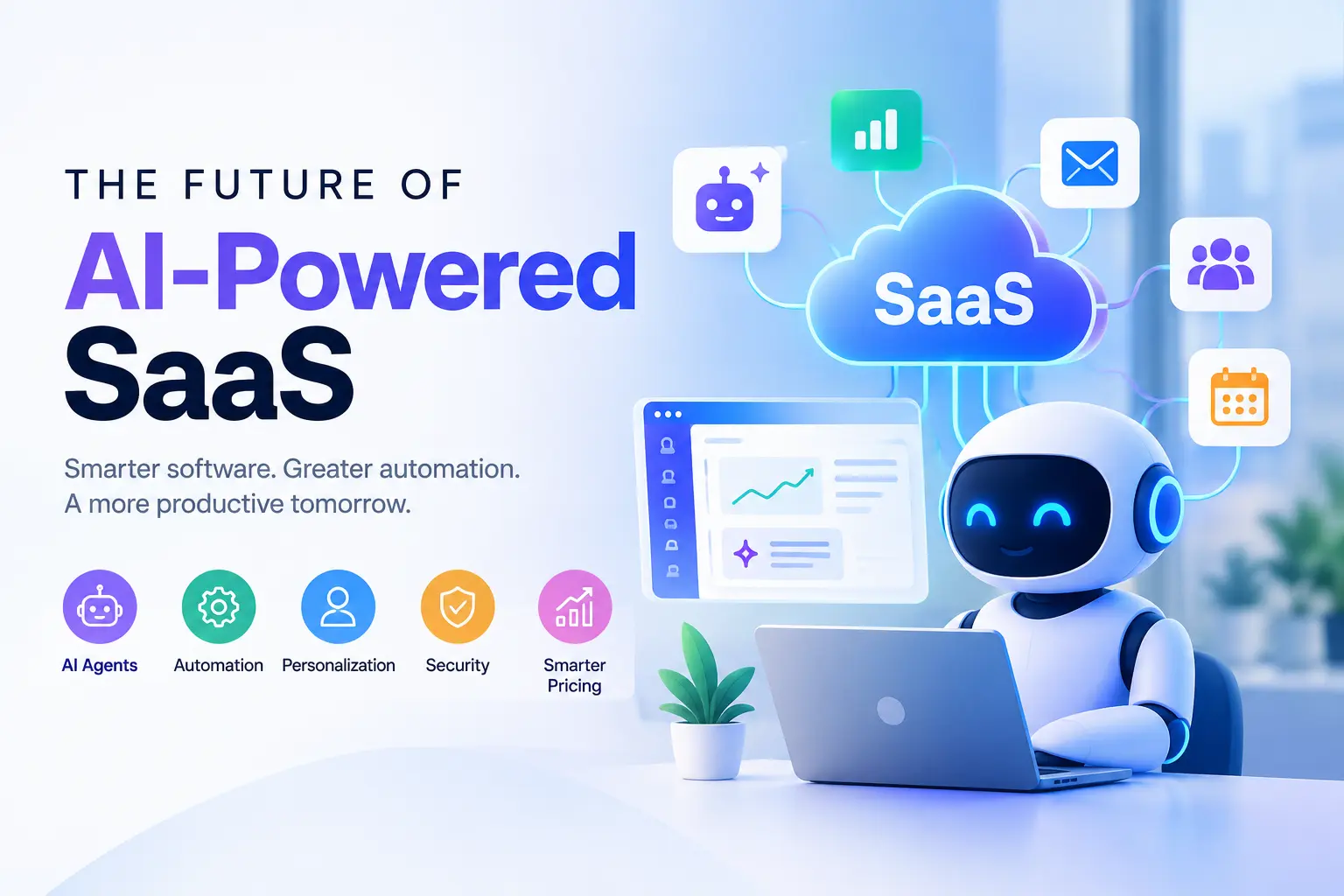
AI Agents Will Transform SaaS
One of the biggest developments in AI-powered SaaS is the emergence of AI agents.
Unlike traditional AI assistants that primarily respond to questions, AI agents can potentially handle multi-step tasks. A business user might instruct an AI agent to research prospects, organize the information, draft personalized emails, and prepare a report.
This shift could change SaaS from software that users operate into software that actively helps users complete their work.
Greater Automation for Businesses
Automation will remain one of the biggest benefits of AI-powered SaaS.
Businesses already use SaaS platforms to automate tasks such as email campaigns, customer support, invoicing, project management, and data entry. AI can make these workflows more flexible by allowing software to understand context and make decisions based on available information.
For small businesses, this could reduce the amount of repetitive work employees need to perform while allowing teams to focus on more strategic activities.
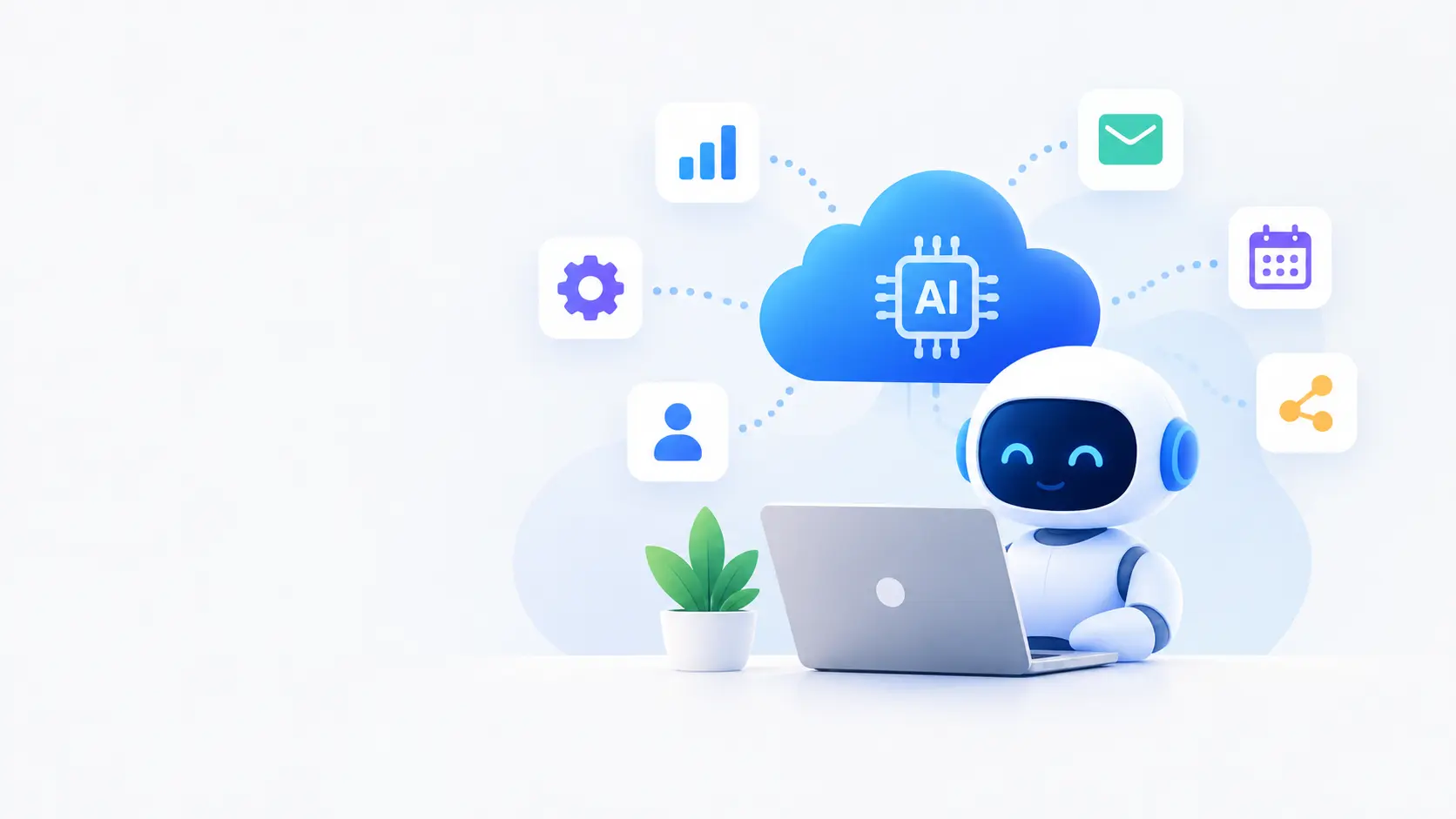
More Personalized Software Experiences
AI can also make SaaS products more personalized.
Instead of showing every user the same dashboard and recommendations, AI-powered platforms can analyze individual behaviour, preferences, and business data to deliver more relevant information.
For example, a project management platform could identify recurring delays, recommend changes to workflows, or highlight tasks that require immediate attention.
This type of personalization could make complex software easier to use.
AI Will Change SaaS Pricing
AI may also influence how SaaS companies charge customers.
Traditional SaaS pricing often depends on factors such as the number of users, features, or storage capacity. As AI agents perform more tasks independently, some companies may experiment with usage-based or outcome-based pricing.
For example, customers could potentially pay based on the number of automated tasks completed rather than simply the number of software users.
Security and Data Privacy Will Become More Important
The growth of AI-powered SaaS also creates challenges.
AI systems often require access to large amounts of business data. Companies will therefore need strong security, privacy controls, access management, and transparency around how data is processed.
SaaS providers will need to demonstrate that their AI features can be used responsibly without exposing sensitive customer or company information.
The Future of AI-Powered SaaS
The future of AI-powered SaaS is likely to involve software that is more automated, conversational, personalized, and proactive.
Rather than simply providing tools, SaaS platforms are increasingly becoming intelligent systems that can understand business context and assist with completing tasks.
Companies that adopt these technologies thoughtfully may be able to reduce repetitive work, improve decision-making, and create more efficient workflows. At the same time, businesses will need to consider security, accuracy, cost, and human oversight.
Ultimately, AI is changing the definition of SaaS. The next generation of software may not just help people work—it may actively work alongside them.